Responsible Data Destruction: How Secure Shredding Protects Information and the Environment
February 11, 2026
Protecting sensitive information is no longer just a legal requirement. It is a responsibility that businesses and individuals carry every single day. From employee records and customer files to financial statements and medical documents, the amount of confidential information generated is enormous. How that information is destroyed matters just as much as how it is stored.
Responsible data destruction means more than tossing paper in a recycling bin or deleting files from a computer. It requires secure shredding practices that protect privacy, maintain compliance, and reduce environmental impact at the same time. When done correctly, document destruction safeguards your reputation while supporting sustainability.
Why Secure Shredding Is Essential for Responsible Data Destruction
At its core, secure shredding ensures that confidential information is permanently destroyed so it cannot be reconstructed or misused. Identity theft, corporate espionage, and compliance violations often begin with improperly discarded documents or electronic media.
When sensitive files are placed in trash cans, open recycling bins, or unsecured containers, they are vulnerable. Dumpster diving is a documented method of data theft. Even internal risks, such as unauthorized employee access, can lead to breaches if documents are left exposed.
Secure shredding eliminates these risks by:
- Using locked collection containers
- Maintaining a documented chain of custody
- Destroying documents into unrecoverable particles
- Providing a Certificate of Destruction for compliance records
For regulated industries such as healthcare, finance, legal, and education, secure destruction is not optional. Laws such as HIPAA, FACTA, and GLBA require organizations to take reasonable steps to protect confidential information throughout its lifecycle, including disposal. A professional shredding process demonstrates due diligence and provides proof that proper safeguards were followed.
Beyond compliance, secure shredding protects your reputation. Customers and clients expect businesses to handle their personal information responsibly. A single breach caused by improper disposal can permanently damage trust.
Protecting the Environment Through Responsible Shredding
Data protection and environmental responsibility can, and should, work together. Professional shredding providers do more than destroy documents. They ensure materials are recycled responsibly after destruction.
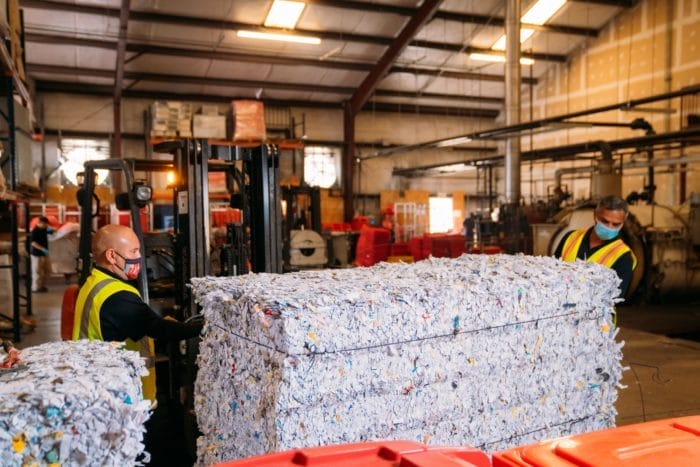
Shredded paper is typically baled and sent to recycling facilities where it is processed into new paper products. This supports a circular economy and reduces the need for virgin pulp production, which helps conserve trees, water, and energy.
Responsible shredding also prevents harmful environmental practices such as:
- Burning documents, which releases pollutants into the air
- Illegal dumping of paper and electronic waste
- Improper disposal of devices containing hazardous components
Electronic media destruction plays a major role in environmental responsibility. Hard drives, laptops, and other data-bearing devices contain metals and materials that require proper recycling. After secure shredding of data components, certified recyclers process the remaining materials according to environmental standards.
By combining data security with recycling, businesses reduce both privacy risk and environmental impact in one streamlined process.
The Role of Chain of Custody in Responsible Data Destruction
A critical component of responsible data destruction is maintaining a clear chain of custody. This means tracking documents from the moment they are placed in a secure container until they are destroyed.
A proper chain of custody includes:
- Locked consoles placed in secure locations
- Background-checked personnel handling materials
- Documented pickup procedures
- Immediate destruction, often on-site
- Issuance of a Certificate of Destruction
Without documentation, businesses cannot prove that materials were handled properly. In the event of an audit or investigation, a Certificate of Destruction provides evidence that information was disposed of securely and in accordance with legal requirements.
On-site shredding services add an extra layer of transparency. When documents are destroyed at your location, you eliminate transport risk and can witness the destruction process in real time. This strengthens both security and compliance documentation.
Common Mistakes That Undermine Responsible Destruction
Many organizations believe they are managing document disposal properly, but small oversights can create major vulnerabilities.
Relying on basic office shredders is one example. Strip-cut shredders produce long pieces that can be reconstructed. They also lack documentation and chain of custody controls.
Another common mistake is storing outdated records “just in case.” Keeping documents past their retention period increases liability. The more sensitive information you store, the more you must protect.
Finally, assuming digital deletion is enough can be costly. Simply deleting files or performing a factory reset does not permanently destroy data. Physical destruction of storage media is often the only foolproof method.
Responsible data destruction requires a documented, repeatable process. Anything less leaves room for risk.
How to Build a Responsible Data Destruction Program
Creating a strong document destruction program does not have to be complicated. It begins with clear policies and reliable partners.
Start by:
- Establishing a document retention schedule
- Placing secure containers in high-risk areas
- Training employees on proper disposal procedures
- Scheduling regular shredding service
- Retaining Certificates of Destruction for records
By making secure shredding part of your routine operations, you turn data protection into a habit rather than a last-minute task.
Partnering with a certified provider ensures that industry standards are met consistently. Look for companies that follow audited processes, maintain insurance coverage, and provide transparent documentation.
The Bottom Line: Security and Sustainability Go Hand in Hand
Responsible data destruction is about more than compliance. It is about protecting people, preserving trust, and supporting environmental stewardship.
Secure shredding protects confidential information from identity theft and corporate misuse. At the same time, it ensures shredded materials are recycled responsibly, reducing environmental impact and supporting sustainability efforts.
When businesses commit to proper destruction practices, they strengthen their compliance posture, reduce liability, and demonstrate integrity to customers and regulators alike.
In today’s environment, protecting information and protecting the planet are not competing priorities. With the right shredding program in place, they work together.