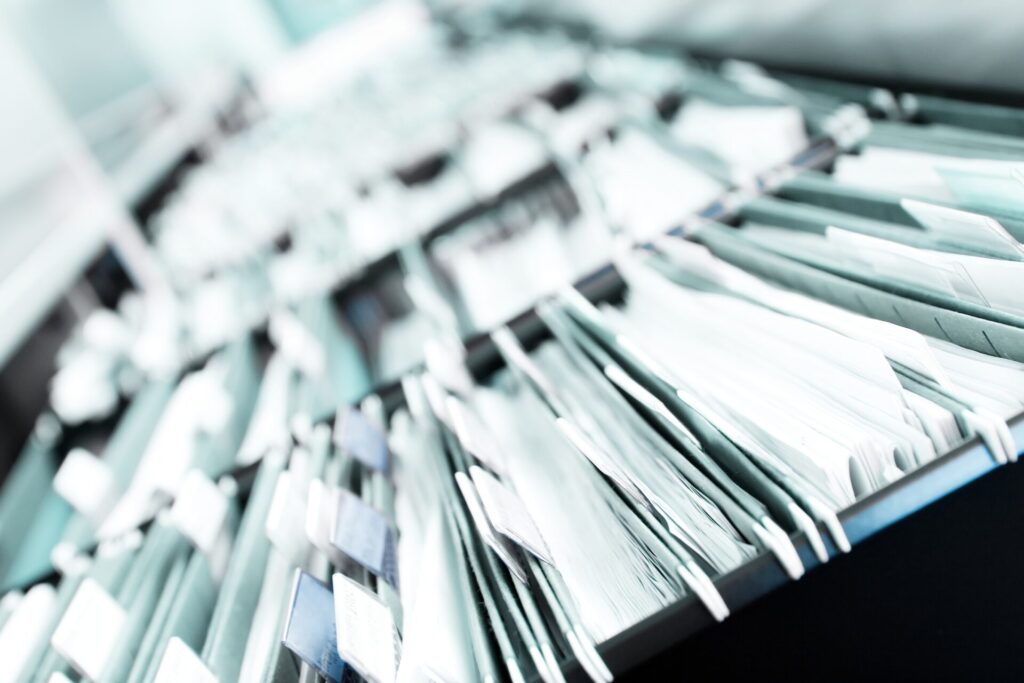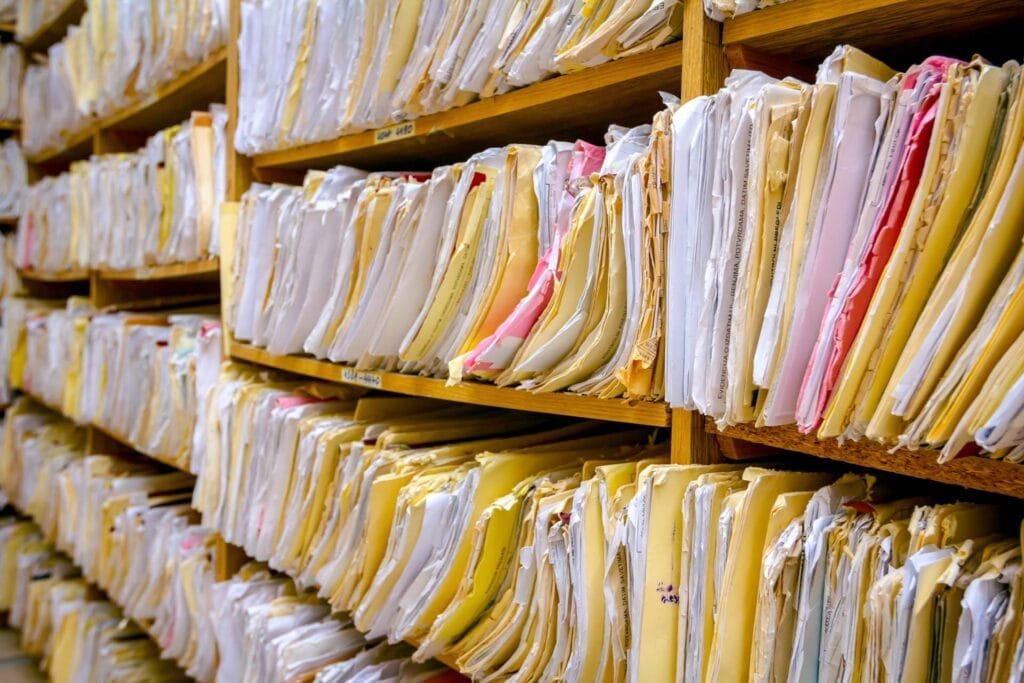
As the American workforce returns to an in-person office environment, reducing office clutter is more than a nice-to-have. It is a smart way to reset your space, protect sensitive information, and help employees feel better at work. Many offices are reopening to the same old problems: over-stuffed filing cabinets, storage rooms packed to the ceiling, and desks that have slowly turned into paper piles.
The good news is that this moment creates a unique opportunity for a fresh start. When you remove outdated documents, broken devices, and “just-in-case” boxes that no one has opened in years, you gain more than space. You create a workplace that is easier to work in, easier to clean, and easier to manage.
Reducing clutter can improve productivity because employees spend less time searching for information. When paperwork is stacked in random places or stored without a clear system, important files are harder to find, and work slows down. A cleaner and more organized office also reduces stress. Clutter can feel like unfinished work, even when it is just old paperwork sitting in the corner. A tidy space helps teams focus on the tasks that matter today.
Beyond productivity, clutter can impact health and cleanliness. Old documents, cardboard boxes, and unused electronics can collect dust and bacteria over time. That buildup can aggravate allergies or create an unpleasant work environment, especially in shared spaces. Fewer piles and cleaner surfaces make routine cleaning easier, which helps reduce the spread of germs during cold and flu season.
There is also a real financial cost to chaos. A study by International Data Corporation reported that an unorganized, cluttered office can significantly decrease efficiency and lead to major losses in time and money. When employees have to dig through old files or search for a missing record, the business pays for that time.
But one of the biggest risks of office clutter is often hidden: security. Storing sensitive documents and outdated devices in closets or storage rooms can create an identity theft vulnerability if those items are not disposed of correctly. Paper files may include customer information, employee records, account numbers, or medical and financial data. Old hard drives, laptops, tablets, and phones can still hold sensitive data even after being erased or reformatted.
If these materials are thrown away without secure destruction, they can become an opportunity for fraudsters. Identity theft and data breaches can damage customer trust, disrupt operations, and create compliance problems for industries that have strict privacy standards.
Improper disposal of e-waste also affects the environment. Many electronic items contain components that should not go into standard trash. When businesses discard electronics without a responsible process, toxic substances can enter the waste stream and create long-term environmental harm. The United Nations defines e-waste as discarded products with a battery or plug that can contain toxic and hazardous substances, and global e-waste continues to rise each year.
A helpful way to tackle office clutter is to break the project into categories:
- Paper and files: Identify what must be kept for legal or operational reasons, and separate everything else for secure destruction. Create a consistent retention plan so paper does not build back up again.
- Electronics and media: Collect outdated computers, hard drives, phones, tablets, and storage devices in one place. Include cords, accessories, and old media like CDs or backup drives so nothing gets missed.
- Storage spaces: Clean out shared areas like supply closets and storage rooms. When you reclaim this space, you may even be able to turn it into something employees will actually use, such as an organized supply area, a meeting nook, or a relaxation/communal space.
- Day-to-day habits: Once the purge is done, set simple routines that prevent clutter from rebuilding. Small steps like scheduled clean-outs, labeled storage, and consistent scanning practices can make a big difference.
When it comes time to dispose of paper and electronics, finding a certified shredding and e-waste disposal service is crucial. Secure destruction helps protect the identity of your employees and clients, and it helps ensure materials are handled responsibly.
Still Working from Home?
If you plan to continue offering employees the option to work from home, it is important to think about clutter and security there too. Home offices can quietly collect sensitive paperwork, old laptops, and retired devices. These items may contain personal information, client data, or business files. Upgrading technology can feel empowering, but disposing of outdated devices should be handled by a professional service if you want to keep your information safe.
Marshall Shredding can handle paper shredding and electronic waste destruction jobs of any size, and they will ensure your information is destroyed, keeping you, your employees, your clients, and your family safe from fraudsters and scammers. Marshall Shredding holds the highest rating (AAA) from the National Association of Information Destruction (NAID) and has had zero compromised files in over 20 years of operation. If you are ready to get rid of the clutter and free up much-needed space in your office, call Marshall Shredding today and let’s get shredding!
Need secure, certified shredding?
Get a fast, transparent quote for on-site shredding across Texas.
Get a Free Quote