Texas Record Retention and Shredding Rules for DFW Businesses
September 30, 2026
How long should a Dallas-Fort Worth business keep its records, and what is the right way to get rid of them? Keeping papers too long raises your risk. Throwing them out too soon, or the wrong way, can break the law. This guide covers the basics for DFW businesses.
This article is general information, not legal advice. Check with your attorney or accountant about the rules that apply to your business.
The Texas Rule on Disposing of Business Records
Texas has a clear rule for throwing away records that hold personal information. Under Section 72.004 of the Texas Business and Commerce Code, a business must shred, erase, or otherwise change the information so it can’t be read before it disposes of the record. Breaking this rule can bring a civil penalty of up to $500 for each record.
That means a single box of old customer files tossed in a dumpster could lead to a large fine. Texas also has the Identity Theft Enforcement and Protection Act, which adds civil penalties of $2,000 to $50,000 per violation for failing to protect sensitive personal information.
Common Retention Periods
Every business is different, but these are common starting points that many DFW businesses use:
- Tax records: The IRS generally recommends keeping records at least 3 years, and up to 7 years in some cases.
- Payroll records: Federal wage rules require keeping payroll records for at least 3 years.
- Form I-9: Keep for 3 years after the hire date or 1 year after the employee leaves, whichever is later.
- HIPAA documentation: Policies and related records must be kept for 6 years.
- Medical records in Texas: Physicians generally keep adult patient records for 7 years after the last treatment, and longer for minors.
Once a record passes its retention date and is not needed for a lawsuit or audit, it should be destroyed securely, not stored forever.
Build a Simple Retention and Shredding Plan
1. List what you keep
Group records by type, such as HR, finance, customer, and legal. Note where each is stored.
2. Set a retention period for each type
Use the rules above and your industry’s requirements. Write them down in one place.
3. Put a shredding schedule on the calendar
Regular pickups keep papers from piling up. Many DFW offices use locked shred bins with weekly or monthly service, plus a one-time purge once a year for older files.
4. Keep proof
Ask your shredding company for a Certificate of Destruction after every service. It shows what was destroyed and when, which is exactly what an auditor will want to see.
5. Don’t forget electronics
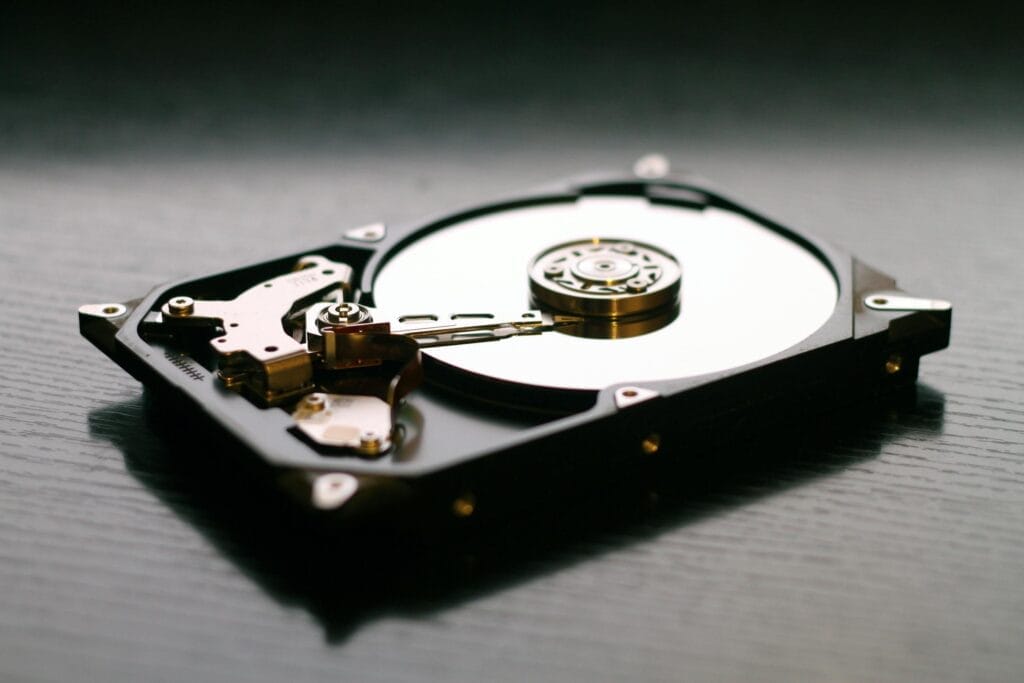
Old computers, servers, and phones hold the same private data as paper. Deleting files does not remove it. Use hard drive shredding to destroy the devices themselves.
Industry Rules to Know
- Healthcare: HIPAA requires patient information to be made unreadable before disposal. See our healthcare shredding page.
- Financial services: GLBA and FACTA require safe disposal of customer financial and credit data. See shredding for financial institutions.
- Law firms: Client files must stay confidential through final disposal. See shredding for law offices.
- Schools: FERPA protects student records. See shredding for schools.
Secure Shredding Across Dallas-Fort Worth
Marshall Shredding serves the Metroplex from our Grand Prairie location with NAID AAA certified on-site shredding and a Certificate of Destruction after every job. We serve Dallas, Fort Worth, Arlington, Irving, Plano, Frisco, and nearby cities. Call (866) 487-4733 or request a free quote to get started.
Frequently Asked Questions
How long do Texas businesses have to keep records?
It depends on the record type. Tax records generally need at least three years, employment tax records four years, and some industries have longer rules. Set a written schedule with your CPA or attorney.
Does Texas law require shredding of business records?
Texas law requires businesses to destroy records containing sensitive personal information in a way that makes the information unreadable, such as shredding.
What should a DFW business do with records past retention?
Shred them with a certified provider and keep the Certificate of Destruction on file.
Ready to Shred?
Whether you need weekly, bi-weekly, or monthly service, we handle the secure destruction so your team never has to worry about liability, compliance, or storage space. Our consistent, dependable schedule keeps your office running smoothly. No long-term contracts required for most business plans.